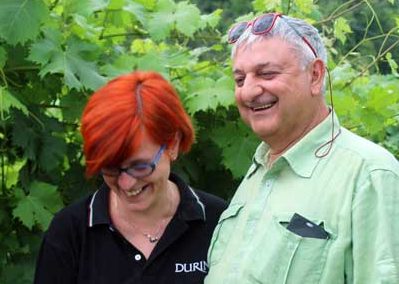
Tenute Sella
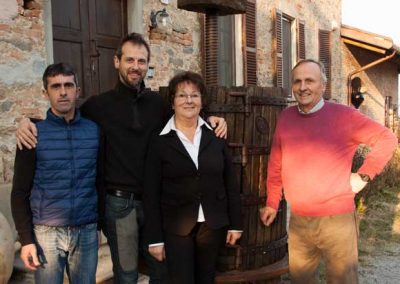
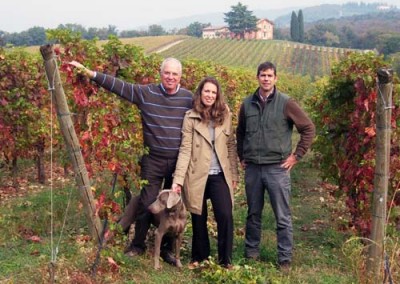
Lessona | PiedmontFor more than 350 years, the Sella family has been viticultural stewards of the dramatic mountain vineyards of Alto Piemonte, playing a significant role in the establishment of Lessona and Bramaterra as key Italian wine appellations in the late 1970s. Tenute Sella wines are a gossamer departure from the more robust Nebbiolo wines of both the Langhe and other Alto Piemonte producers, defined by lofty aromatics, incredible finesse and fine-grained tannins.
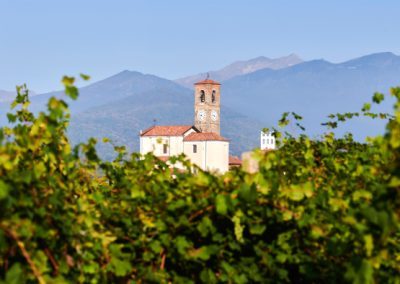
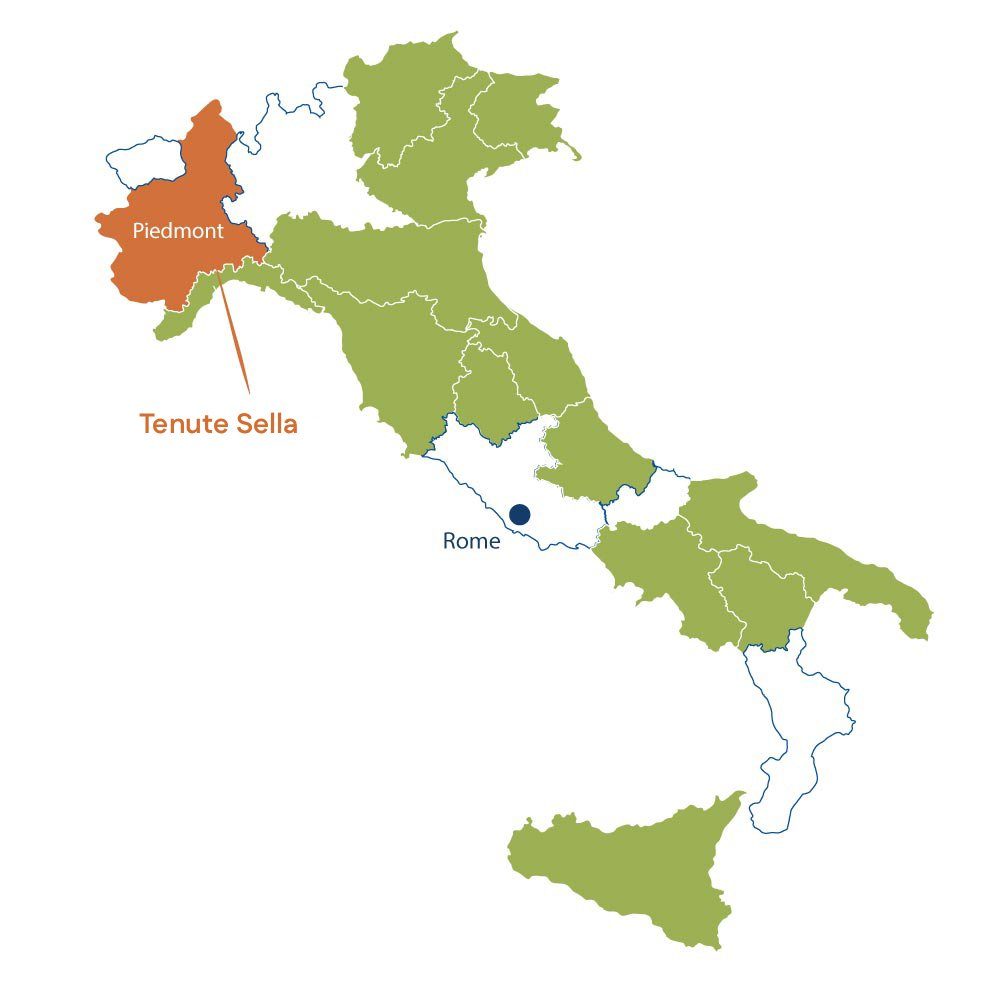
At the northern tip of Piedmont, Alto Piemonte was once the commercial winemaking hub of this larger region. After decades of war and social upheaval, however, appellations like Lessona, Gattinara and Ghemme saw vineyard land dramatically reduced. Yet one winemaking family through all this change remained – Tenute Sella. This historic estate, established in 1671, is a thrilling new addition to our illustrious lineup of Piedmontese producers.
Visionary Comino Sella purchased his family’s first vineyard in Lessona; yet the family initially made its name in textile manufacturing (still the northern town of Biella’s main claim to fame) and, later, banking (Banca Sella was founded in 1886). It was also in the late 1800s that this powerhouse family acquired more vineyard land in Bramaterra, while family members Erminio Sella and Edgardo Mosca founded the Sella & Mosca estate in Alghero, Sardinia.
Today, the family’s footprint in Alto Piemonte extends across the Lessona, Bramaterra, and Coste della Sesia appellations, yet it remains an artisanal estate, with only 32 hectares of vineyards in total, producing roughly 15,000 cases per year.
FARMING & WINEMAKING
The term “Alto Piemonte” refers generally to appellations in the “upper,” or northern, part of the Piedmont region. The main cluster of appellations, including Lessona, Bramaterra, Gattinara, and Ghemme, is arrayed on either side of the Sesia River, flanked by the cities of Biella and Novara. The Caluso, Canavese, and Carema appellations are situated west of Biella, toward Torino.
Positioned in the shadow of the Alps, Alto Piemonte enjoys a relatively mild climate, with lower winter snowfall than the Langhe or Monferrato and cooler, slightly wetter summers. The Alps act as a barrier against harsh northern winds that tend to bypass the region and impact areas further south. Winemaker and viticulturist Riccardo Giovannini notes that these conditions produce a long growing season marked by early budbreak and a late harvest, resulting in wines with balanced, refined alcohol and tannin levels that fully express the remarkable aromatic complexity for which Nebbiolo is renowned across its finest expressions, including Barolo and Barbaresco.
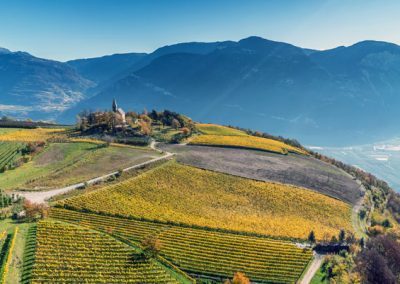
Estate vineyards span the Lessona (7 hectares), Bramaterra (5 hectares), and Coste della Sesia (20 hectares) appellations – each with distinct soils. Lessona lies on ancient Pliocene-era sands with fossil shell deposits, while Bramaterra and Gattinara feature mineral-rich porphyritic rock mixed with sandy clay from volcanic activity.
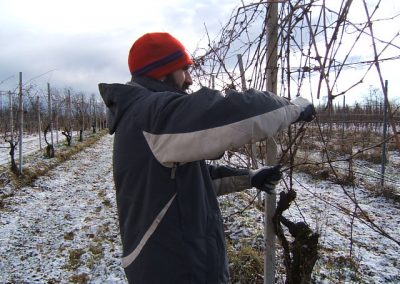
Farming in the Sella vineyards follows organic principles and the wines carry a certification from SQNPI (National Quality System for Integrated Production), which requires adherence to a set of criteria for biodiversity and the reduction/elimination of chemical inputs (especially pesticides). This Certification is administered by the governing body ICEA (Institute for Ethical and Environmental Certification). Plowing is limited to once per year to reduce erosion.
RED WINES
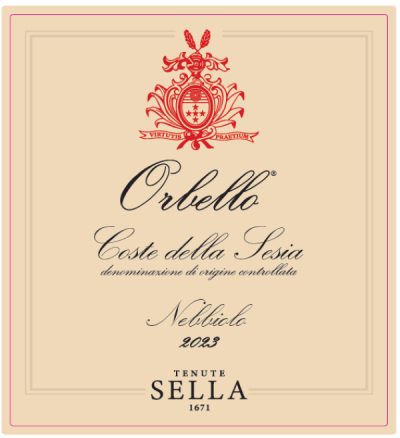
Coste della Sesia Nebbiolo 'Orbello'
An easy-drinking “family wine” styled for immediate consumption, a red that captures the bright cherry fruit and rosy glow of high-altitude Nebbiolo. Orbello takes its name from the hamlet of Orbello, in the municipality of Villa del Bosco, where some of Tenute Sella vineyards are located. Tangy, lifted, fine-grained tannins.
- Download fact sheet (PDF)
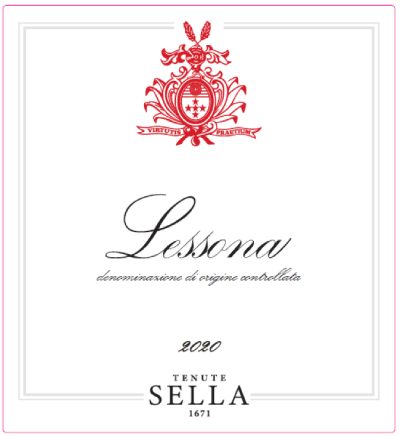
Lessona
The Lessona DOC, like many of the appellations in the Alto Piemonte, is extremely small; currently there are just 38 hectares of vines certified for the production of Lessona-branded wines. This rare red is cultivated on fossil-rich soils, for a perfumed and satisfyingly plush Nebbiolo that would pair wonderfully with grilled salmon or a wine-based stew.
- Download fact sheet (PDF)
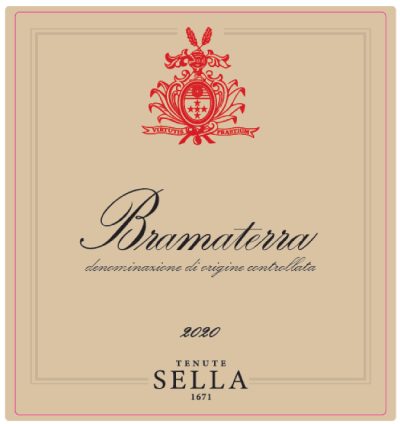
Bramaterra
The Bramaterra DOC, like Lessona, remains extremely small, with just 52 hectares of “registered” vineyards. The rich volcanic soils of Bramaterra translate into a spicier, more mineral Nebbiolo wine, with tannic grip and darker fruit flavors. Aged 24 months in large oak cask then 12 months in bottle.
- Download fact sheet (PDF)
Lessona 'San Sebastiano allo Zoppo'
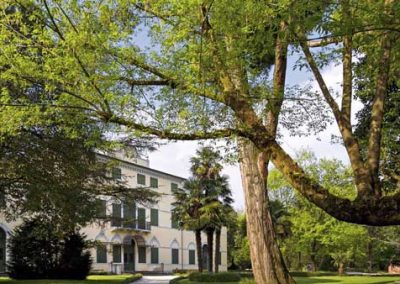
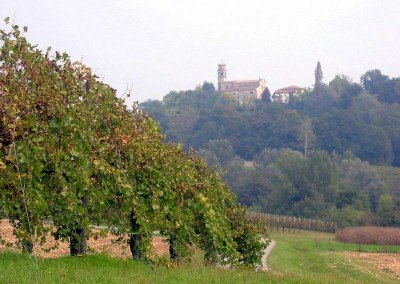
The Sella family references a land deed from the year 1436, in which a vineyard in a locality called “Zoppo,” in what is now Lessona, was sold to the de Bulgaro family. The Sellas later acquired this parcel; it has since become their “grand cru” single-vineyard expression of Nebbiolo from Lessona, with a historic family villa perched atop the vineyard. Soulful aromas of black raspberry, wild strawberries; black tea; aged for 24 months in French barrique and 12 months in bottle before release.
- Download fact sheet (PDF)
Bramaterra 'I Porfidi'
“Porfidi” is Italian for “porphyry,” a reference to Bramaterra’s volcanic soils which are rich in porphyritic sands. This wine is a selection of the Sella family’s oldest vines in Bramaterra, many older than 80 years; 24 months of aging in French barrique followed by 12 months in bottle reveals a darker-toned, spicy yet still airy and mountainous Nebbiolo wine, redolent of rose petals and red cherry, blood orange and pink peppercorn.
- Download fact sheet (PDF)
 Established: 1671
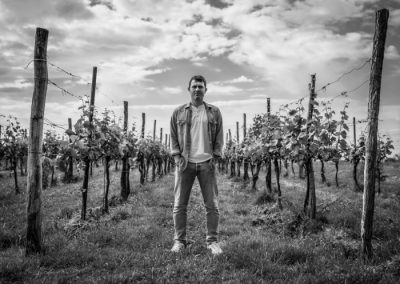
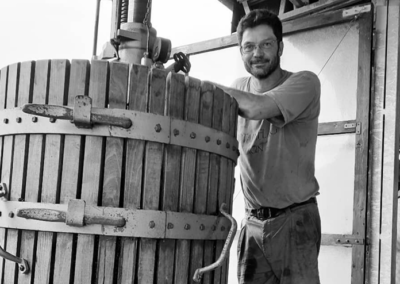
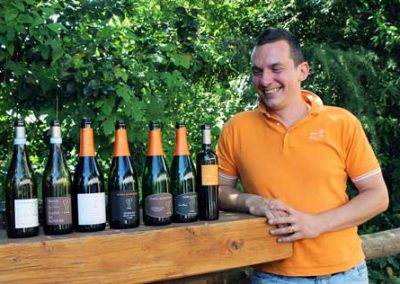
Winemaker: Riccardo Giovannini
Region: Italy • Piedmont • Lessona
Vineyard size: 80 acres
CERTIFIED SUSTAINABLE (SQNPI)
More producers from northern Italy…