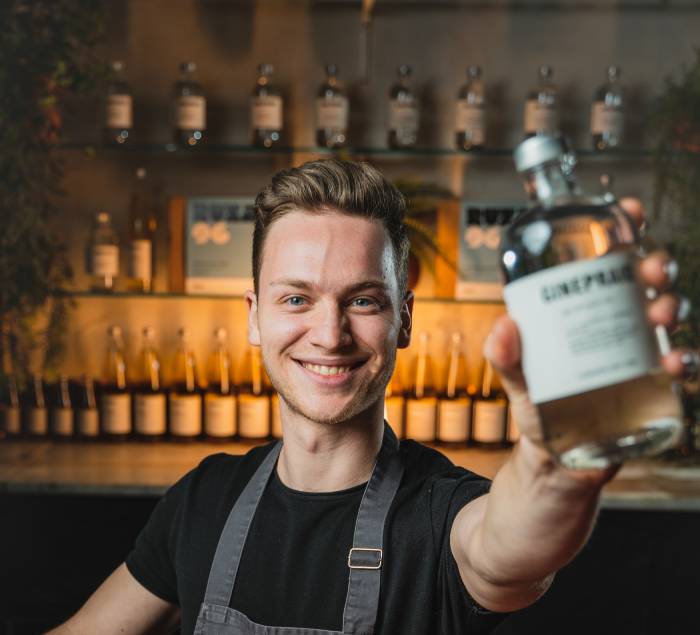
Levante Spirits is a small yet dynamic spirits group based in Ponsacco, Tuscany. Creators Enzo Brini and Fabio Mascaretti set out to create liqueurs and distillates that represent the soul of Tuscany, two of which are unforgettable in their provenance and flavorful power: Ginepraio Gin and Old Sailor Coffee Liqueur.
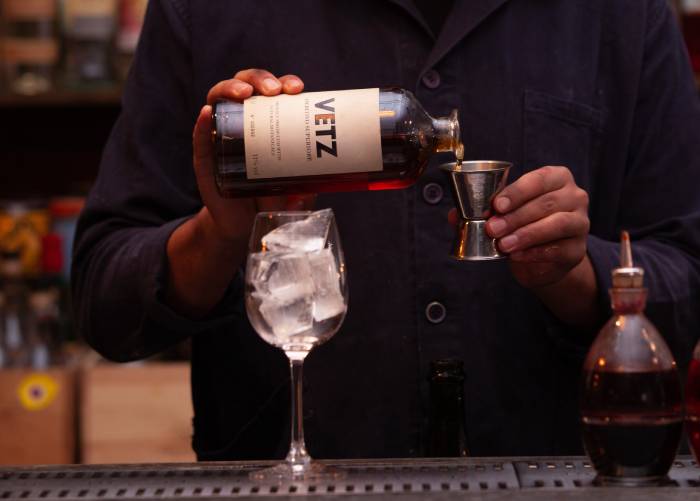
Vetz, meaning “buddy” in a Northern Italian dialect, is crafted in the rolling hills of Piedmont using only natural botanicals. It’s a modern take on the classic Italian aperitivo, without anything artificial masking its authentic character.
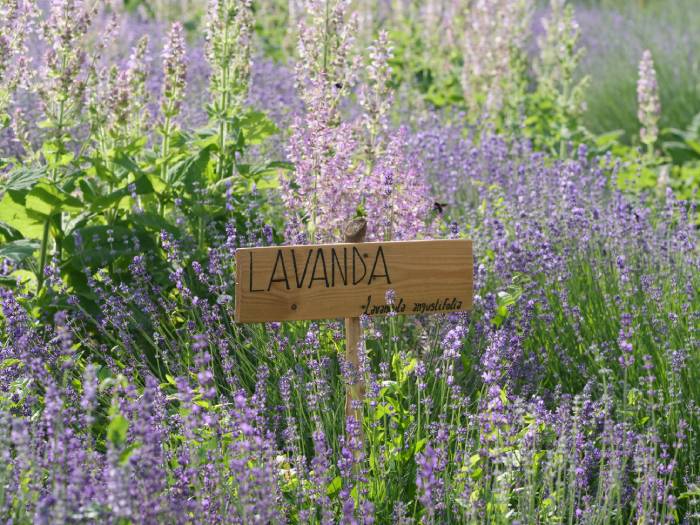
The Italian name Baldoria, which effectively translates to “conviviality,” highlights vermouth’s grassroots history, and respect for the creativity and dedication of the native artisan producers. Baldoria is giving Vermouth a purpose and place on the shelf in its own right as a “stand-alone” spirit, as well as a cocktail and culinary ingredient for the bar, restaurant, home chef, and weekend bartender.
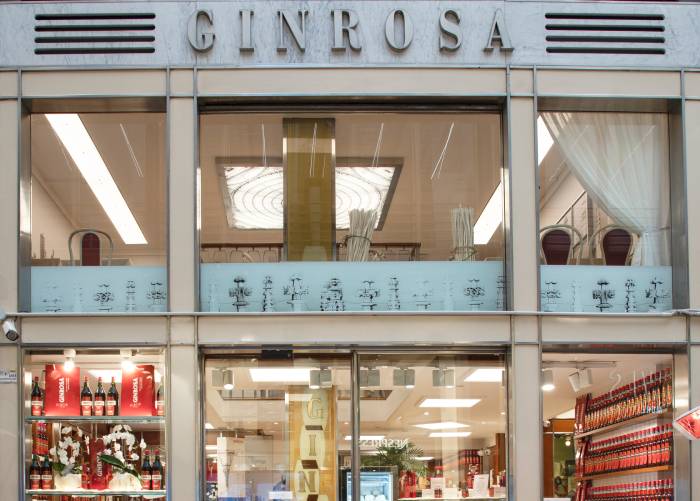
The legendary Ginrosa Bitter L’Aperitivo was born in the 1880s in Milan, at a time when women couldn’t enjoy an aperitivo alone in places such as the famous Caffè Campari. Philanthropist and entrepreneur Annunciata Bournè had a solution: start her own bar and make her own “rosa” aperitivo bitters, just for women.
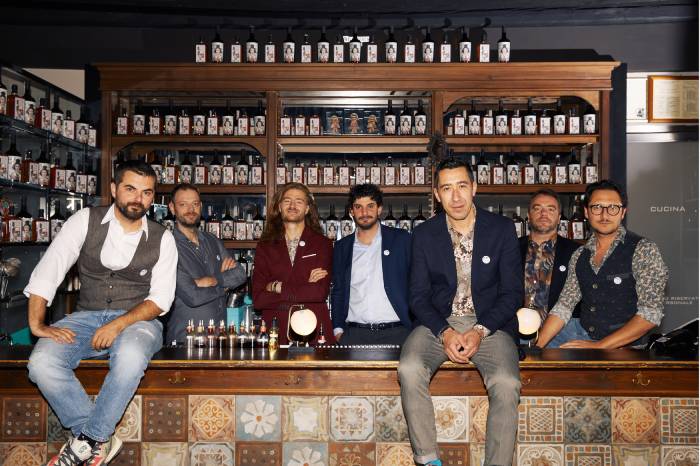
To help introduce their spirituous creations to the world, the Jigger Spiriti e Cucina crew teamed up with the legendary Ermete Medici family, of Lambrusco fame. Their Vermouth di Torino, called Esule, is crafted on a base of Lambrusco Salamino wine from Medici’s cellars.
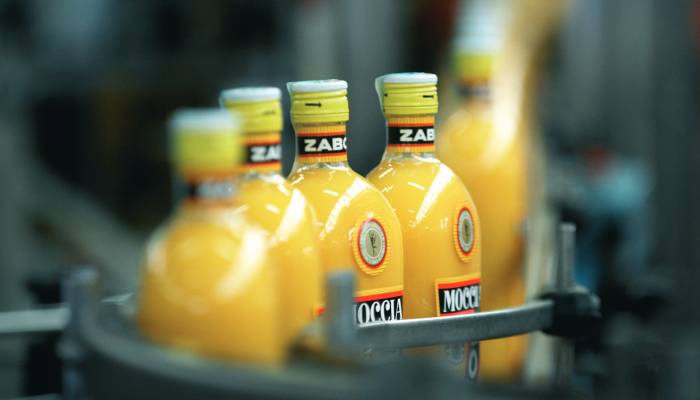
In the late 1940s, Luigi Moccia developed the recipe for Zabov and packaged the resulting liqueur in a clear bottle to showcase its saturated egg-yolk color. The name combines the “ZAB” of zabaglione with the “OV” of uovo or egg. This “classic” Zabov bottling remains the heart and soul of Moccia and one of the most iconic liqueur brands in Italy.
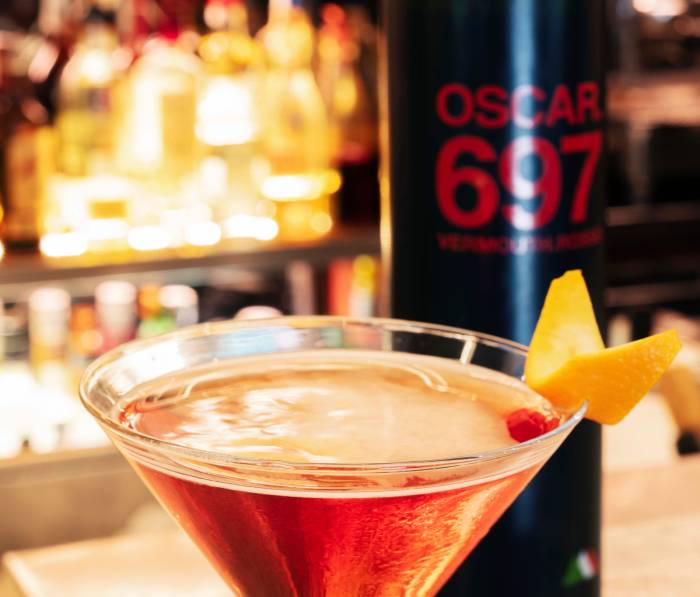
Vermouth isn’t just a captivating craft spirit, it’s a culture. Whether it’s home or professional craft bartenders seeking elevated ingredients for Martinis, Manhattans, Negronis, and other cocktails, or the consumption of vermouth on its own, Italian apertivo culture today is in full bloom. Oscar.697 is at the forefront of this movement, with its boundary-pushing recipes and sustainable focus.
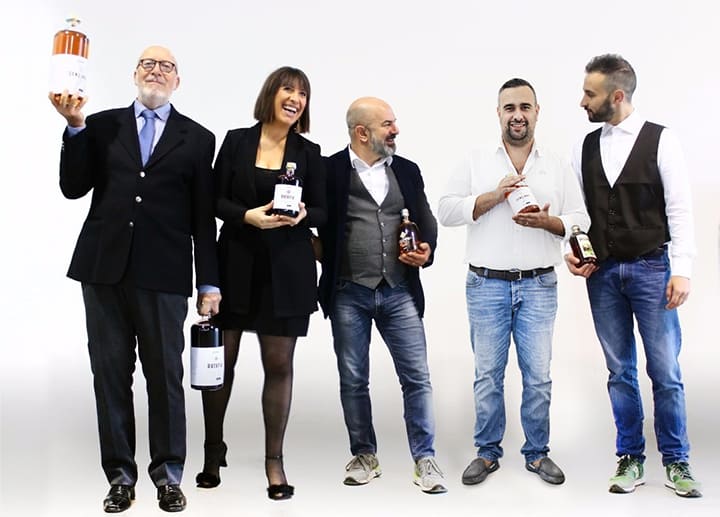
Scuppoz (a word from archaic local dialect that describes the clinking of glasses during a toast) is one part laboratory and one part atelier, helmed by inspired distiller Adriano Cicconi, who today runs the company that was founded by his father, Benito, in 1982.
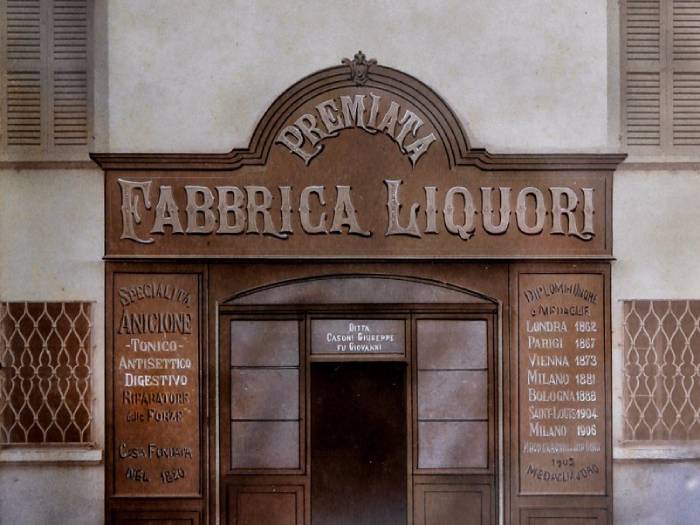
The grandson of Casoni’s founder, Paolo Molinari, has spearheaded efforts to re-energize this historically important brand and its iconic range of aperitivi and amaro, including L’Aperitivo 1814, Il Bitter 1814, a number of dynamic Vermouths and the legendary Amaro Heritage—while prioritizing sustainable production methods.
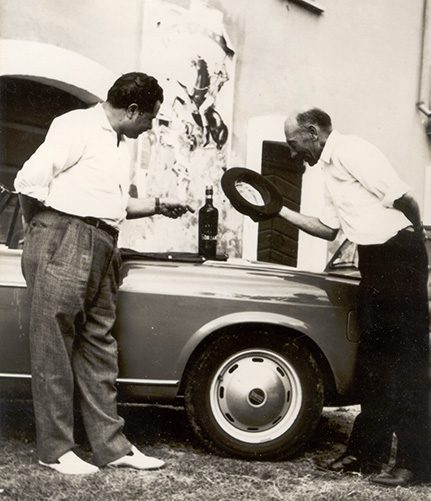
Run by the same family since 1961, the Paesani distillery is perched on a hillside in the hamlet of Collevecchio, with the highest peak in the Apennine Mountains, the Gran Sasso d’Italia, as its backdrop and namesake.
