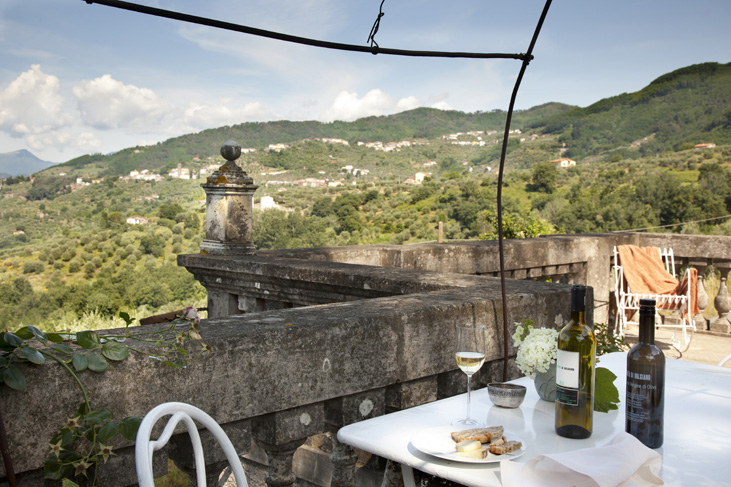
Tenuta di Valgiano is the gateway to a different Tuscany. The manicured estates of Montalcino seem a world away; here in the hills above the city of Lucca, dense forests hide weather-worn villas and older-vine vineyards, with climbing herbs winding round “palistorti,” crooked stakes that mark each vine row.
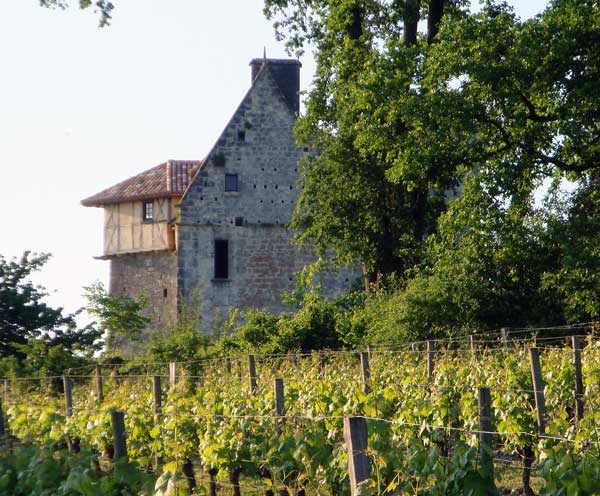
Raised biodynamically, with yields that often dip lower than the lowest at Yquem, Grande Maison offers an elegant expression of Monbazillac botrytized wines. All of the estate’s vineyards surround the “grande maison,” a fortified manor house originally built in the thirteenth century.
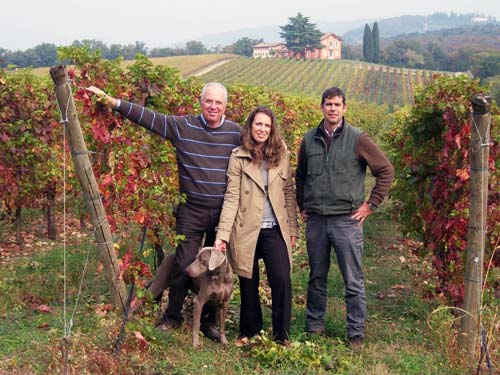
Italy’s modern-day Garden of Paradise is found just outside the gates of Verona at Azienda Agricola Musella. Encompassing more than 1,000 acres of forestland where olive and fruit trees share space with grape vines and ancient churches and cozy cottages dot the banks of a meandering river, this inspiring biodynamic estate is a regional treasure.
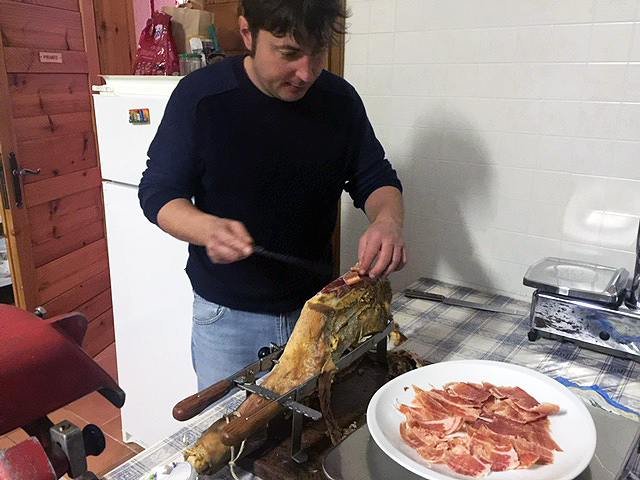
Carso, or the Karst region, is a formidable limestone plateau that reaches from northeastern Italy into southwestern Slovenia. In this breathtaking yet rustic corner of Italy, grape vines share space with wild forest and family farms. The Skerlj (scare-lee) family for generations has worked the land here, raising pigs and grain, and crafting natural wines that capture the region’s indomitable spirit.
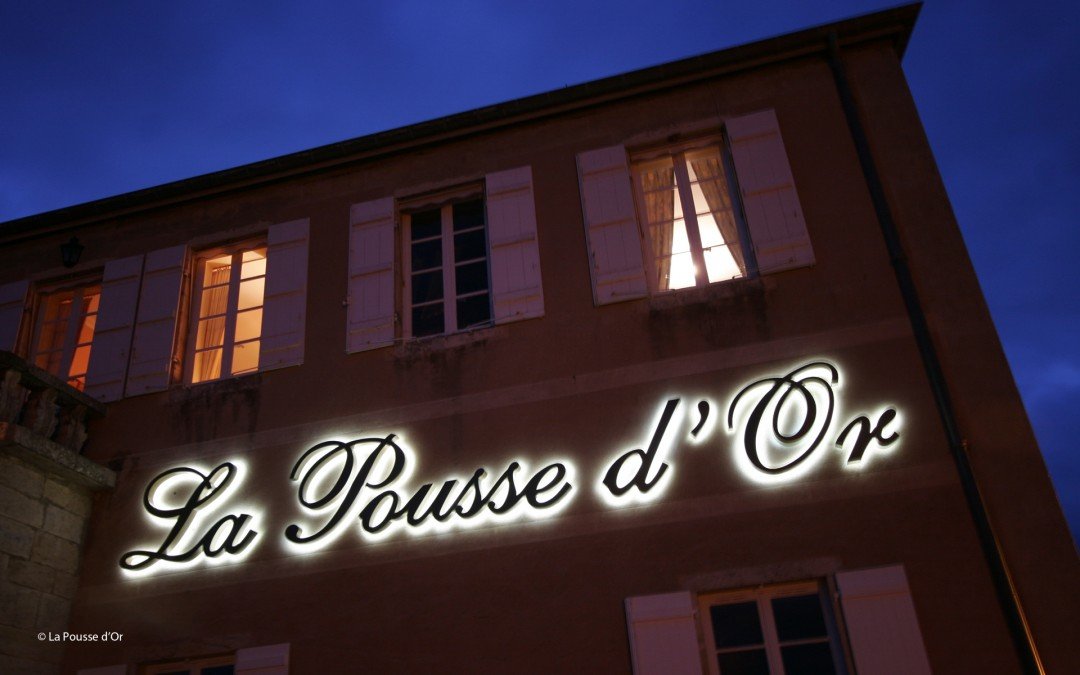
Domaine de la Pousse d’Or has for decades been the collector’s choice for expressive and memorable wines from Burgundy’s most hallowed terroirs. This historic estate is one of the Burgundian elite, in a similar realm of such exclusive wineries like Romanée-Conti and Comte de Vogüé, with its strict selection and seamless winemaking.
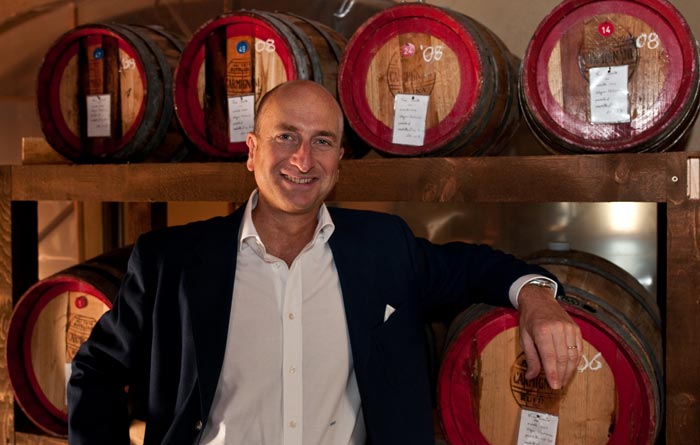
The history of the Ricasoli-Firidolfi family in Tuscany is a rich tapestry of kings and statesmen, its fabric woven together with the vine. For more than 37 generations, this ancient family has cultivated grapes and crafted wines in Monti in Chianti, the “very best area” of Chianti Classico, according to Antonio Galloni.
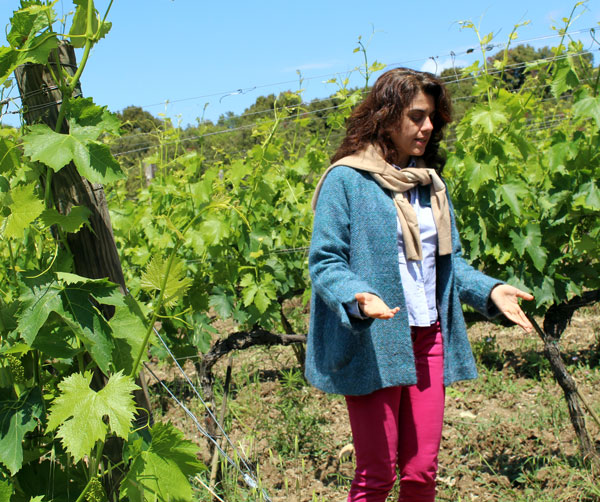
Oftentimes discovering one’s true calling requires a leap of faith. Stella di Campalto found hers in an abandoned farm and winery in Montalcino, land that she restored to vibrant life with her own hands.
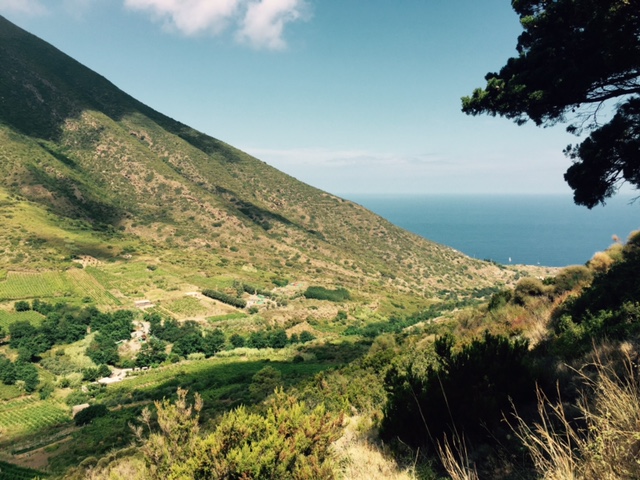
The history of artisanal winemaking in the Aeolian Islands off the coast of Sicily essentially begins with five Spanish families, one of which is Caravaglio. These noble pioneers were invited to travel to these wild, volcanic islands in the early 1500s to develop agriculture. Thus for more than 500 years, the Caravaglios have cultivated wine grapes on Salina and Lipari, establishing early on the traditions and practices that would be followed for generations.
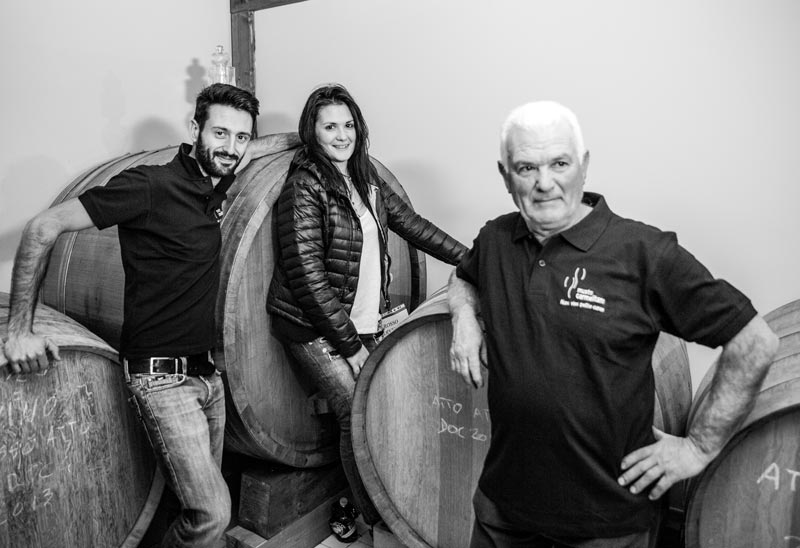
Elisabetta Musto Carmelitano and her brother, Luigi, are the driving force behind this family estate. Neither sibling formally studied winemaking, but both have rather lived the craft, learning from family members how to care for Aglianico vines and make their wines.
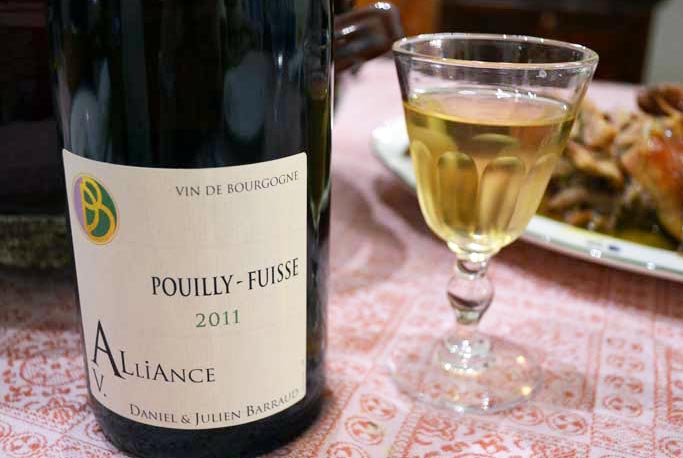
Domaine Daniel et Julien Barraud is not only the source of Vergisson’s finest organic wines but also the standard for world-class white Burgundy from the Mâconnais. Here in Vergisson, families like the Barrauds have for generations preserved their craft in its most honest form, making wine by hand from well-tended organic vineyards and aging their wines in small, old-fashioned cellars.
